mevo

01

Project Info

Project Timeline

Apr - Jul 2025

Project Type

Academic case study

Contributor

Delong Xiao
(Designer)

My Contribution

Industrial Design
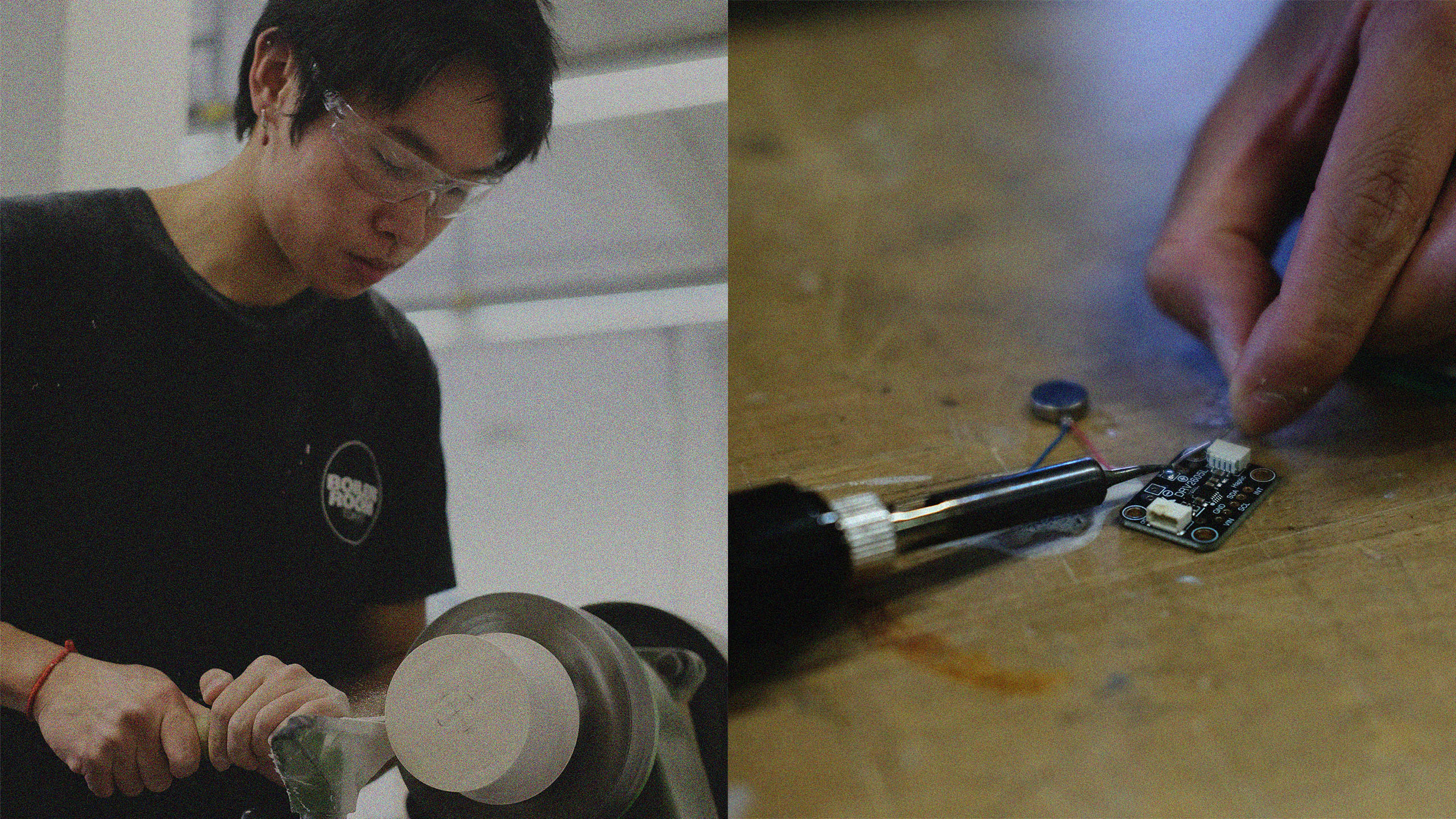
Prototyping
3D Visualization

Dementia
Music
System

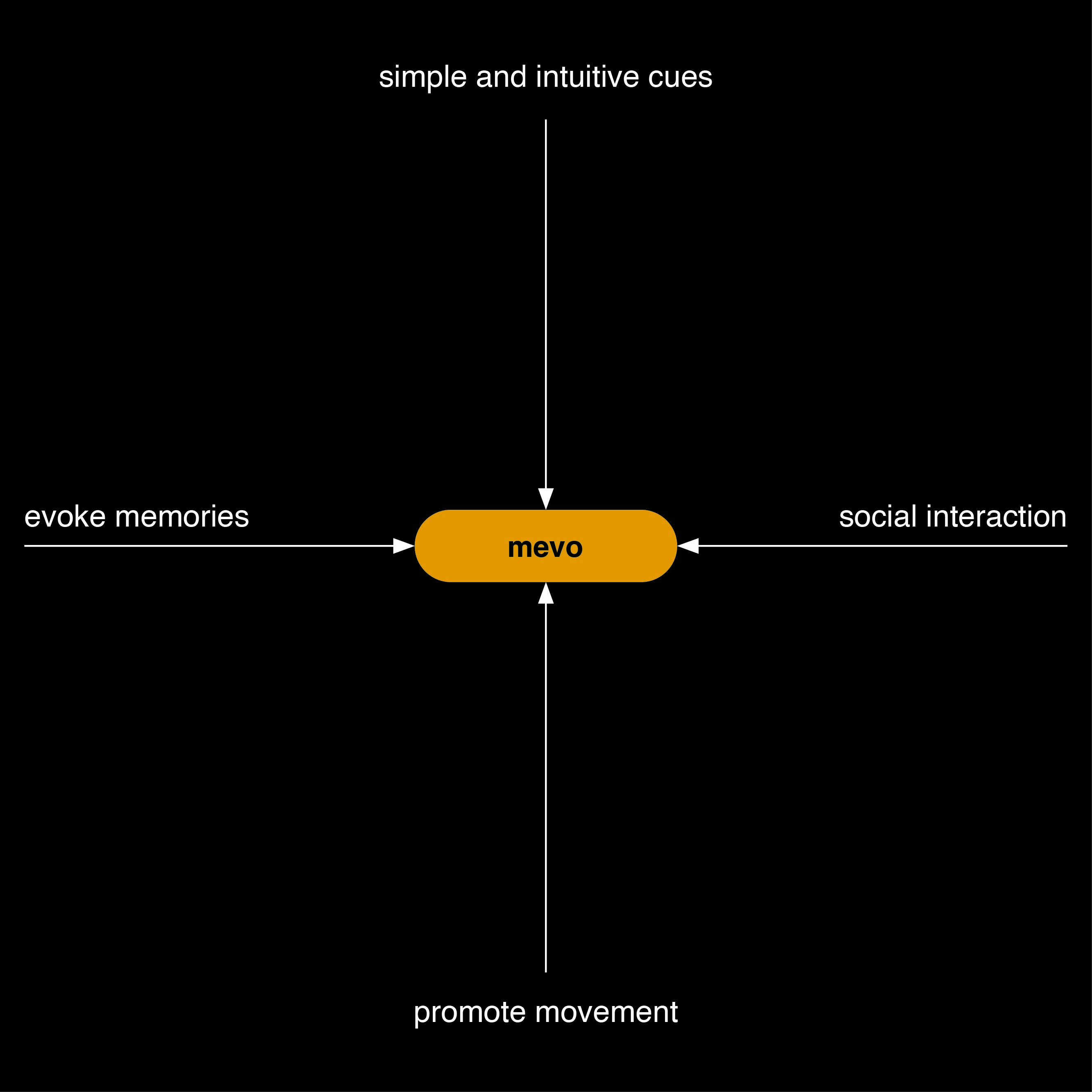
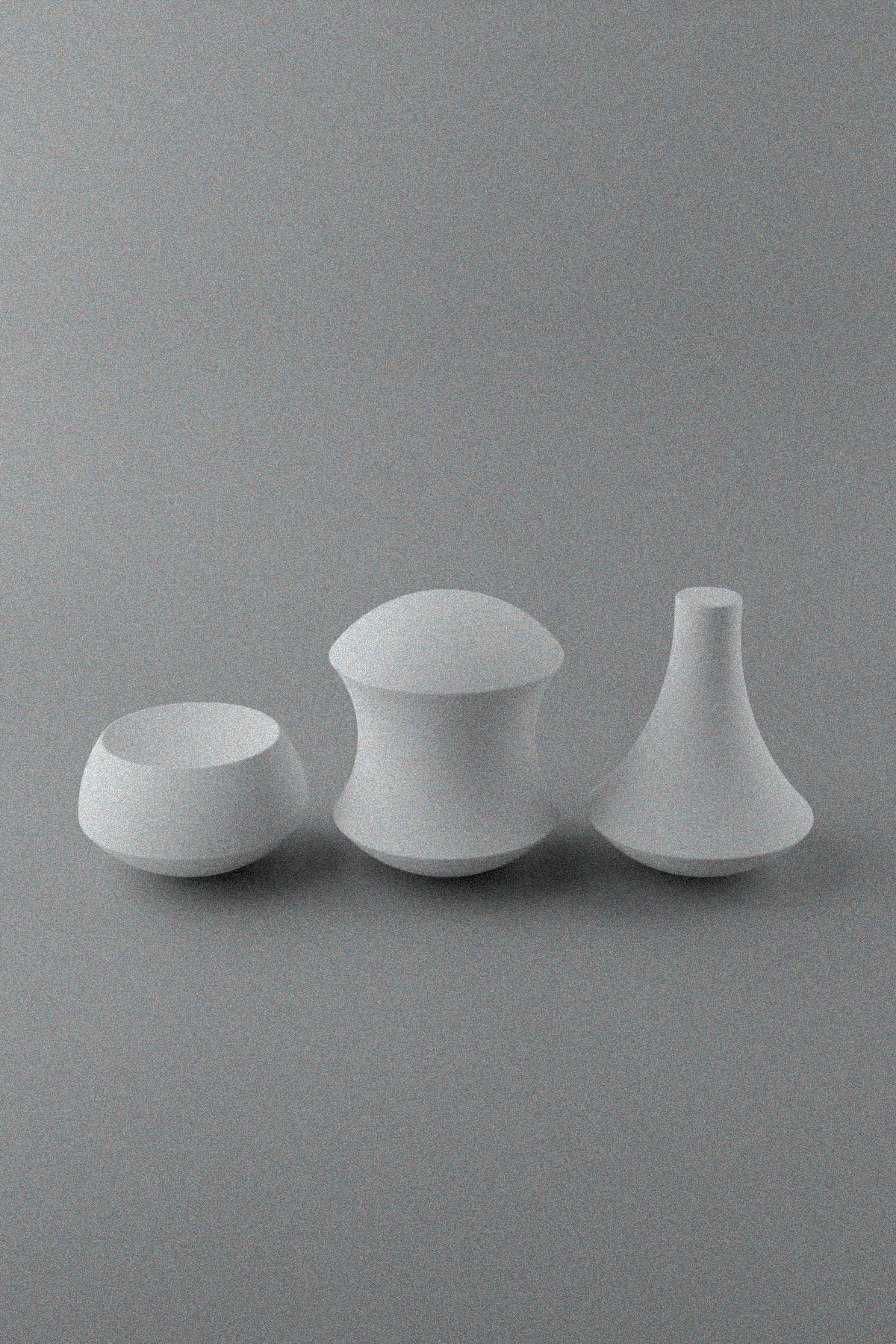
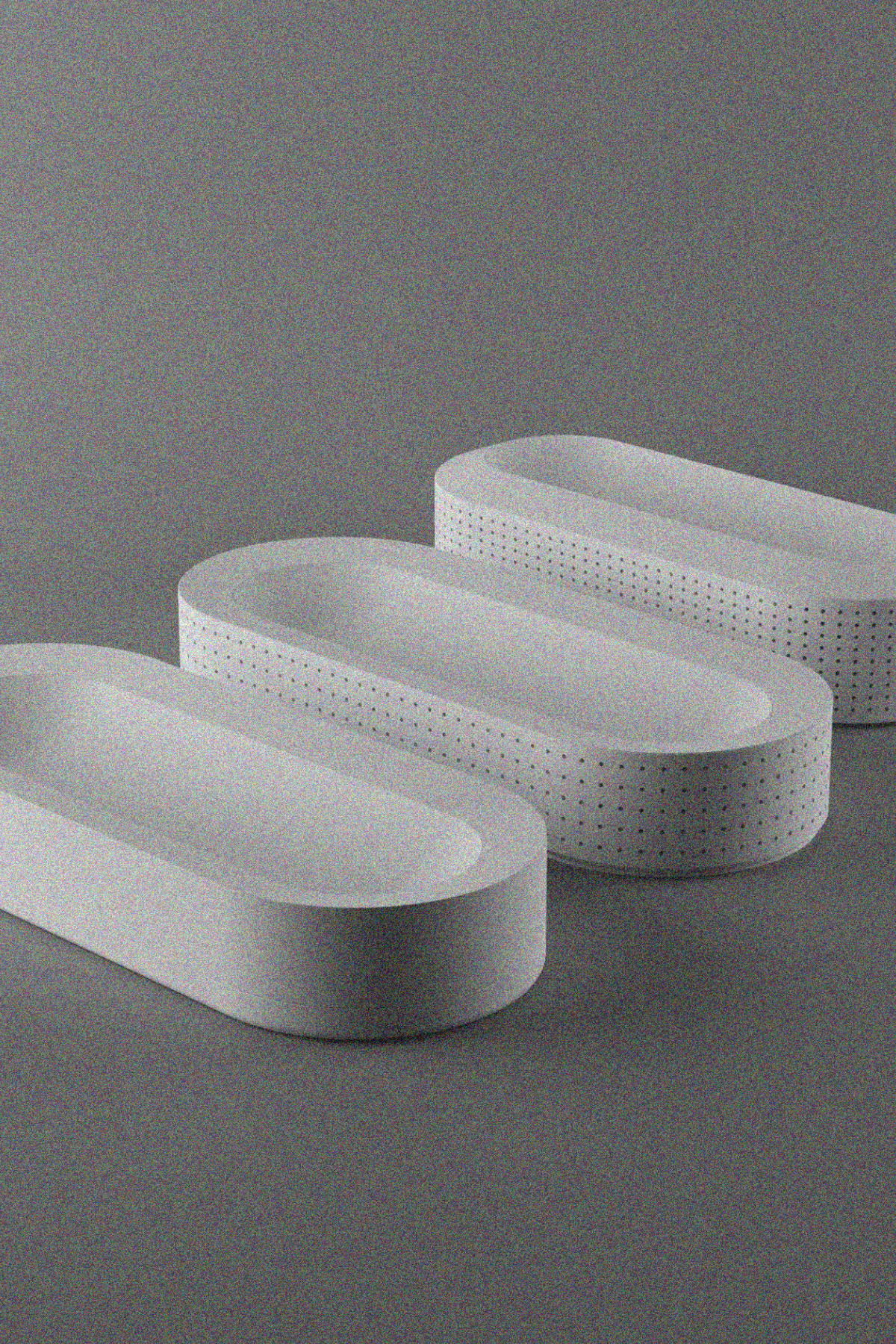
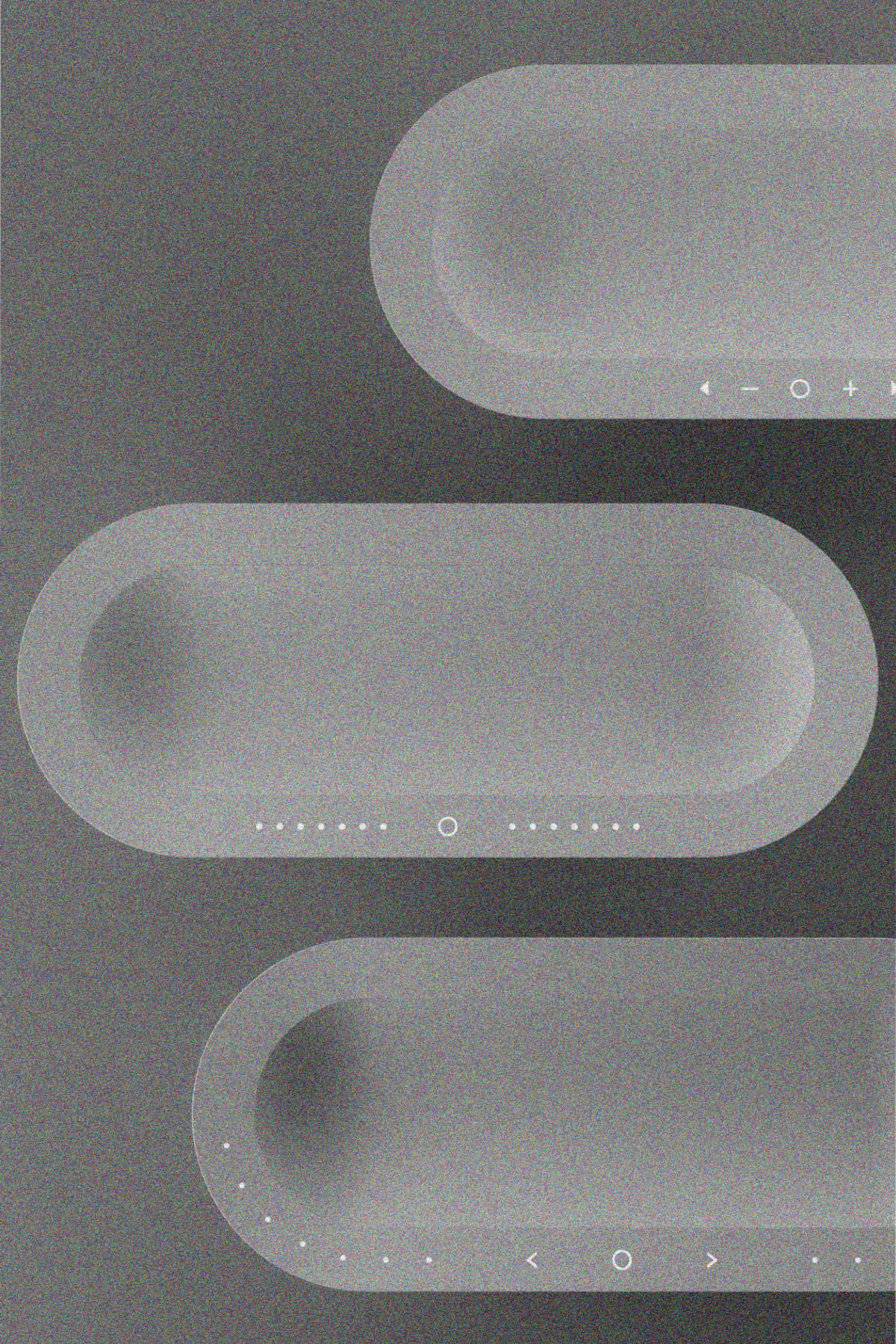
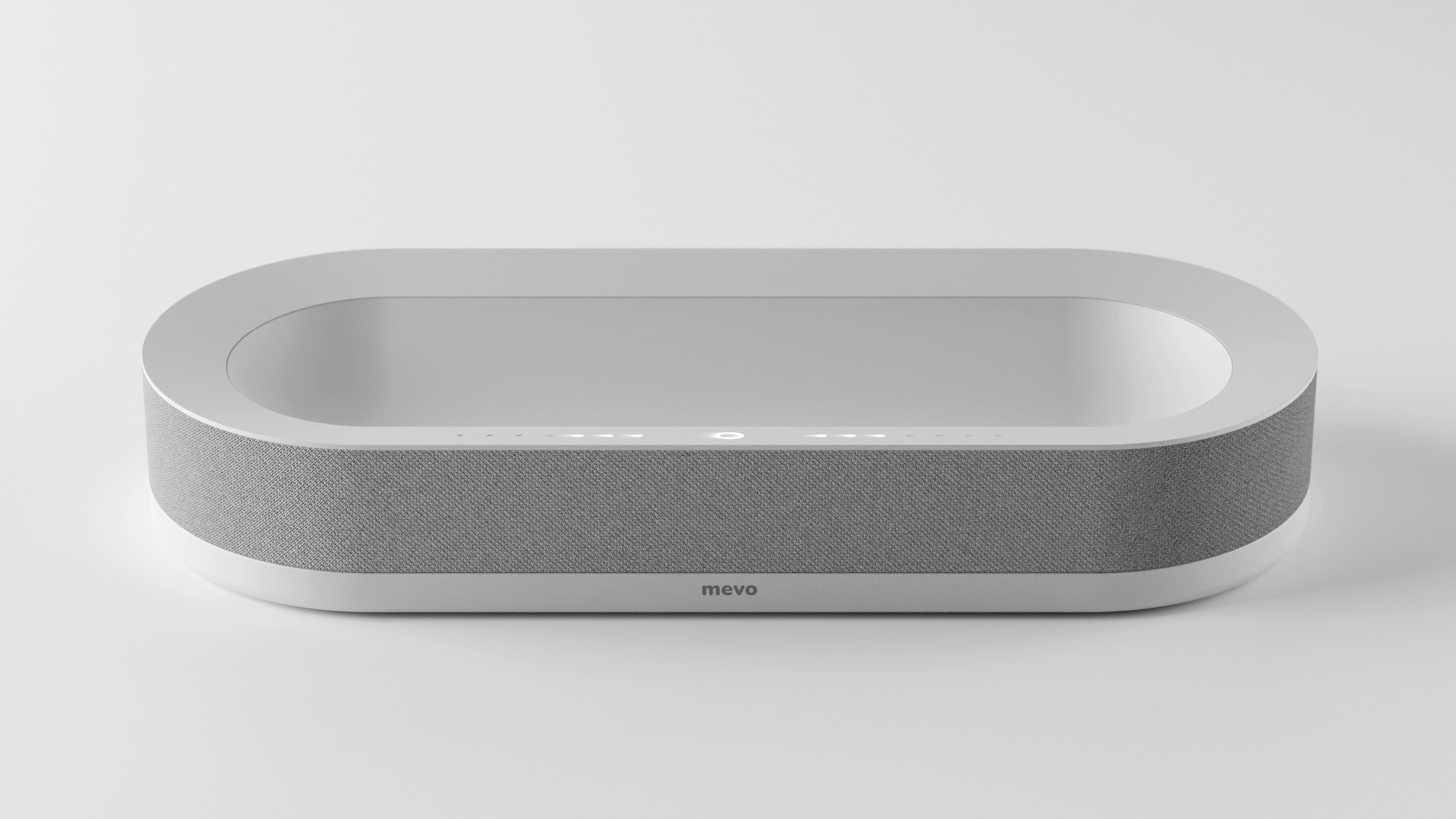
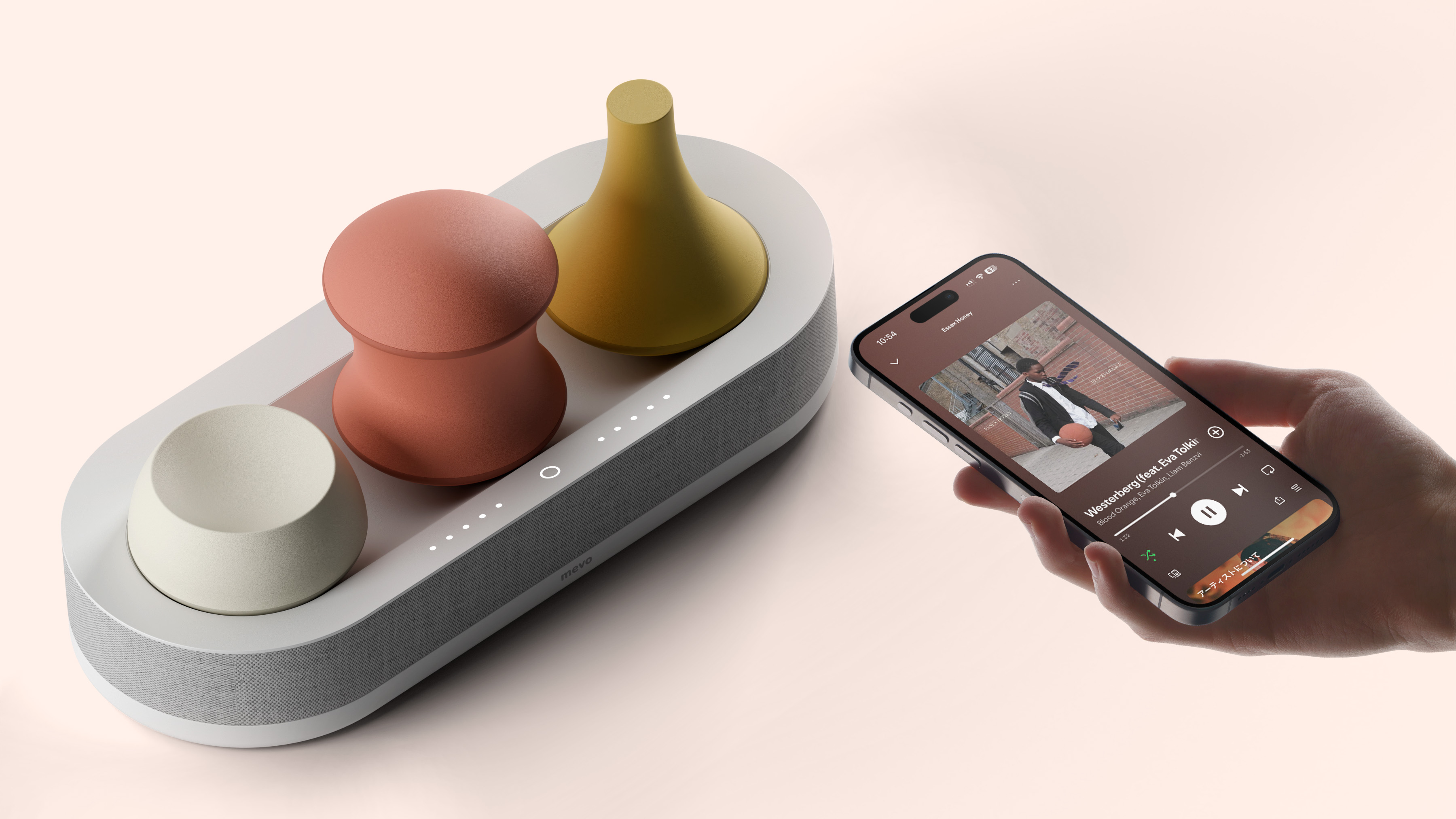
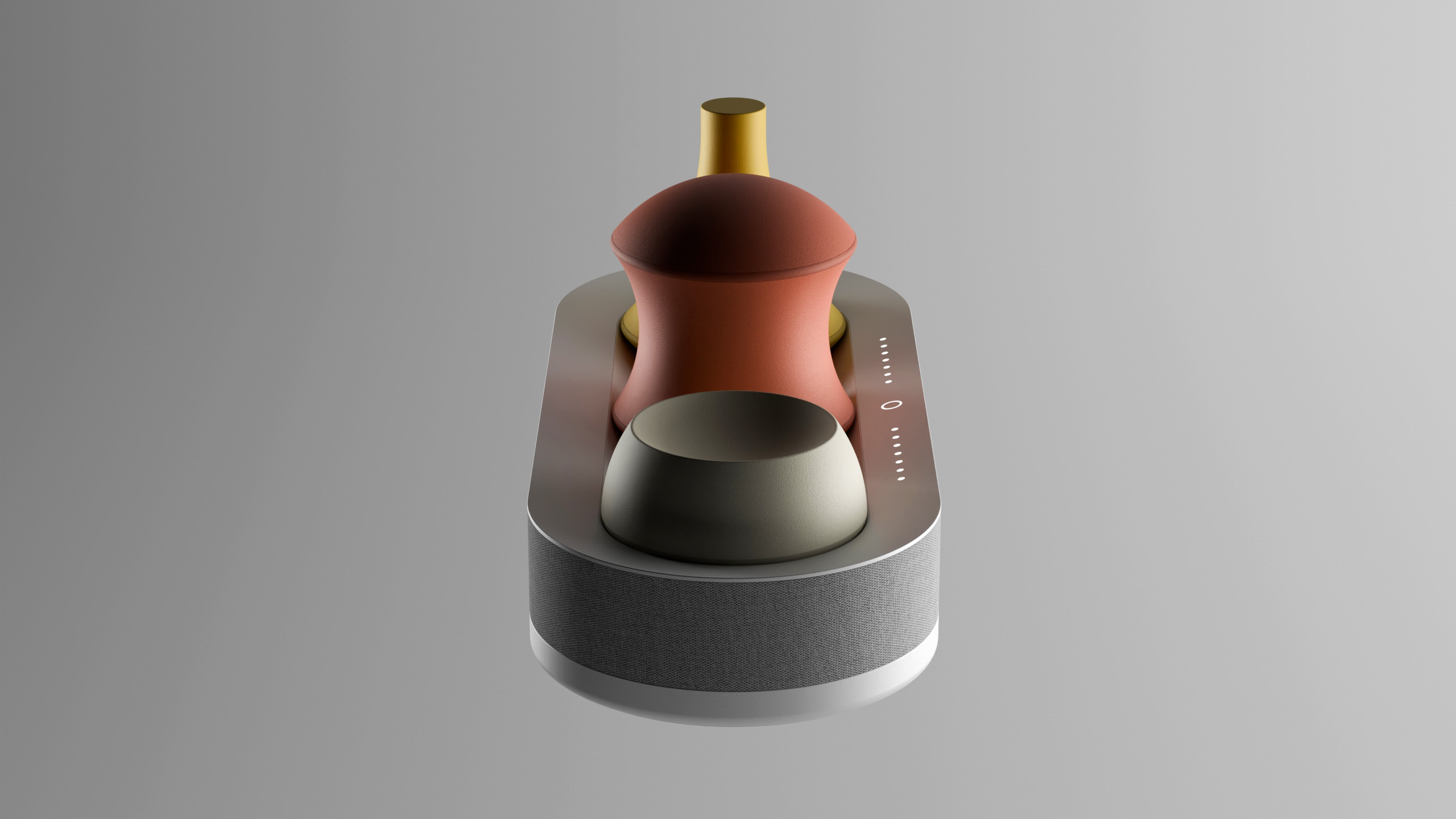
mevo is a multisensory music system that provides older adults with dementia a new, intuitive way to access music. Three objects are connected to a central music playing device and capture the rhythm of the played music, transforming it into tactile and visual impulses. In this way, music becomes sensually perceivable beyond hearing, enabling emotional resonance and recalling memories.


02 Challenges

Explore music beyond hearing.

01

Challenges of dementia - how can music support?

02

How can music listening become active and playful?

03

How can music listening become more immersive and memorable?

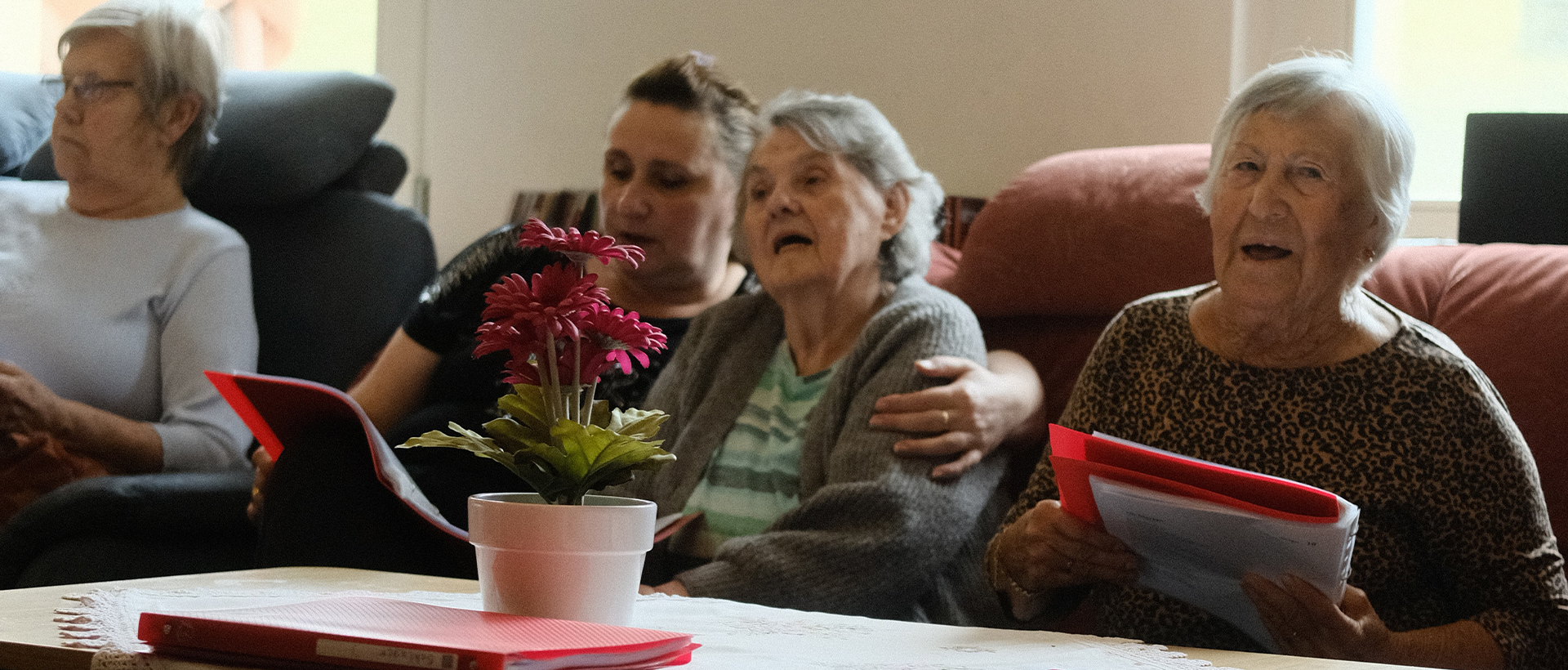
Music evokes long-term memories and emotions in dementia patients.

02-01

Dementia illnesses are steadily
increasing

Due to advances in healthcare, hygiene, nutrition and living conditions, life expectancy continues to rise. With greater age, the risk of being diagnosed with dementia is higher. As a result, the number of people living with dementia is expected to increase in the next upcoming decades.

2020

50 million people worldwide

2030

74 million people worldwide

2040

100 million people worldwide

2050

131 million people worldwide

02-02

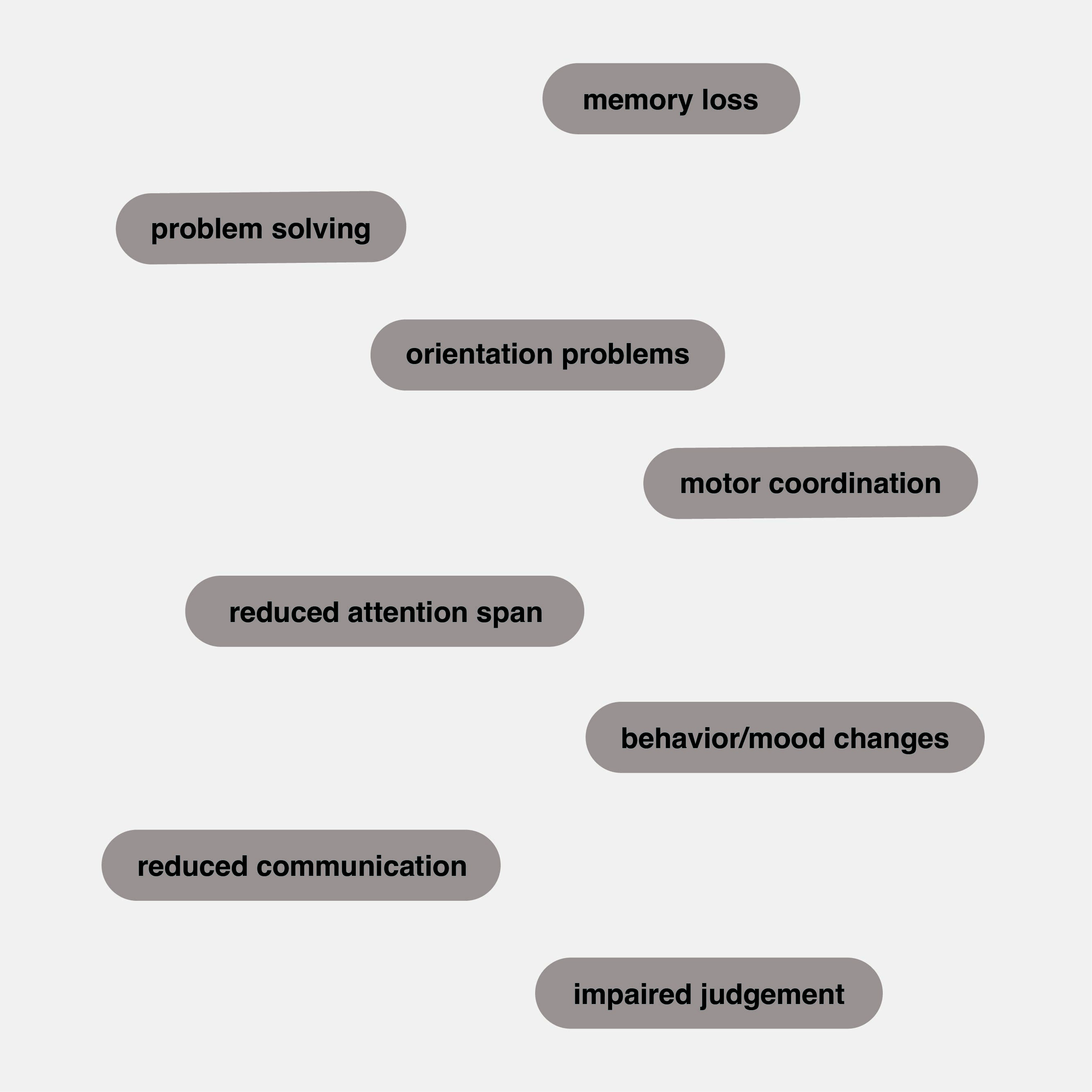
Cognitive and emotional functions decline

In order to design a suitable product for people with dementia, it is essential to understand their limitations and specific needs. The illness leads to various restrictions, especially in cognitive and emotional areas, which strongly shape how those affected interact with their environment and with products.

02-03

Music provides cognitive advantages

The aim of this project, mevo, is to create a music-based experience that goes beyond passive listening. By combining simplicity with playful interaction, the system is designed to engage people with dementia in a more immersive and stimulating way. The goal is to spark memories, making music not only something to hear, but also something to feel.

02 Challenges

Exploring music beyond hearing.

01

Challenges of dementia - how can music support?

02

How can music listening become active and playful?

03

How can music listening become more immersive and memorable?

Expanding music experience through touch, movement and sense.

02-04

Creating a physical connection to music

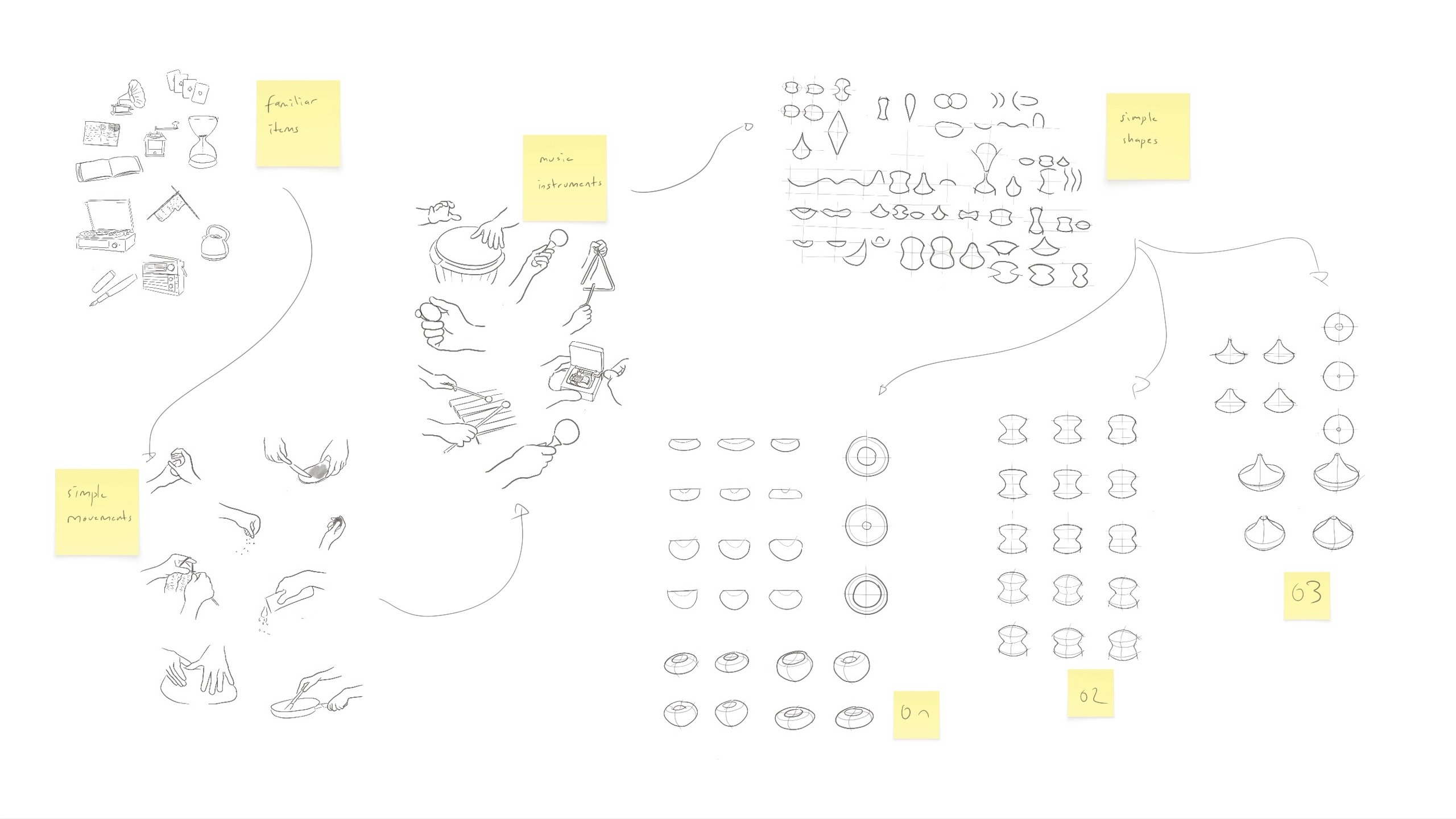
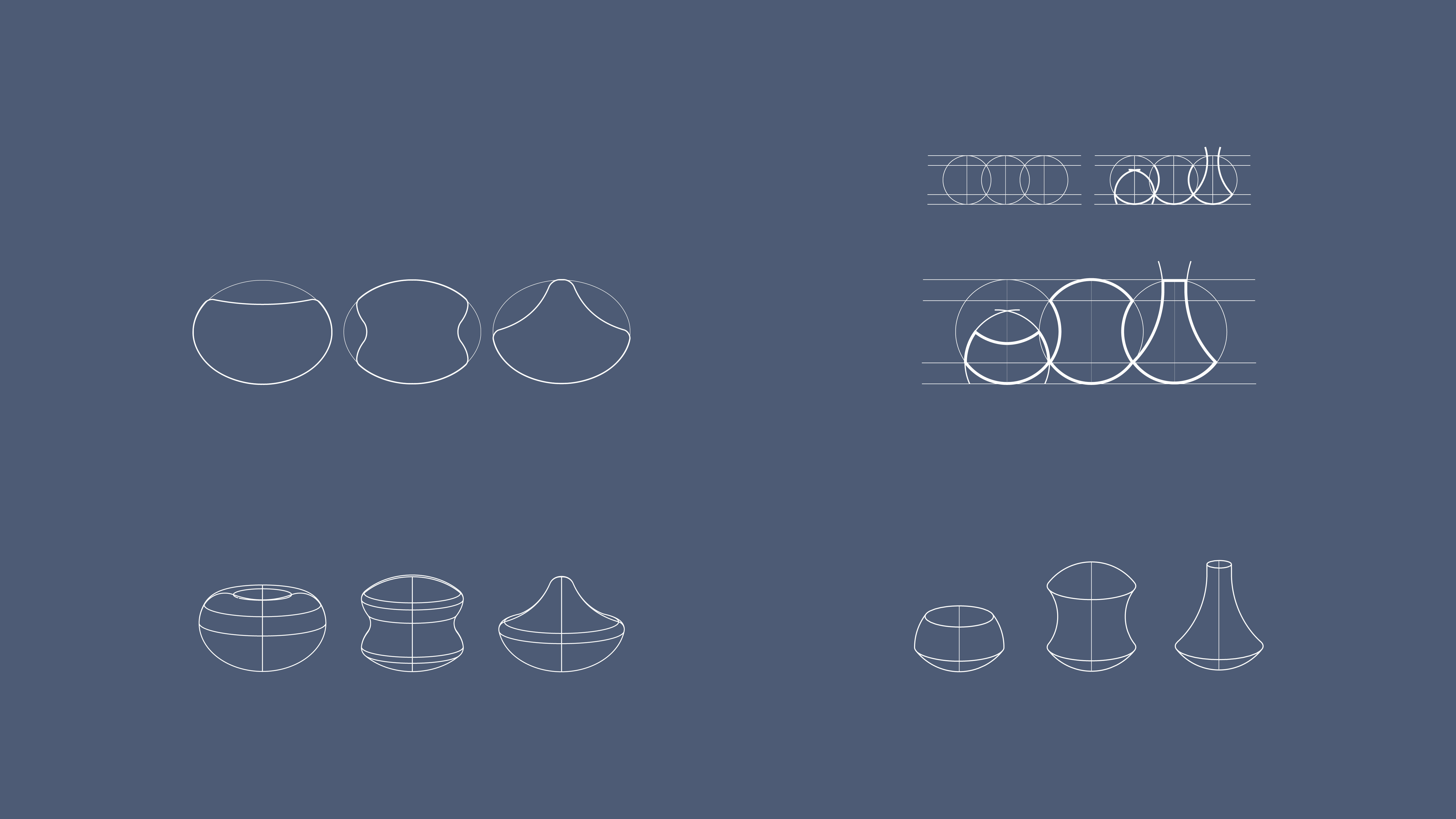
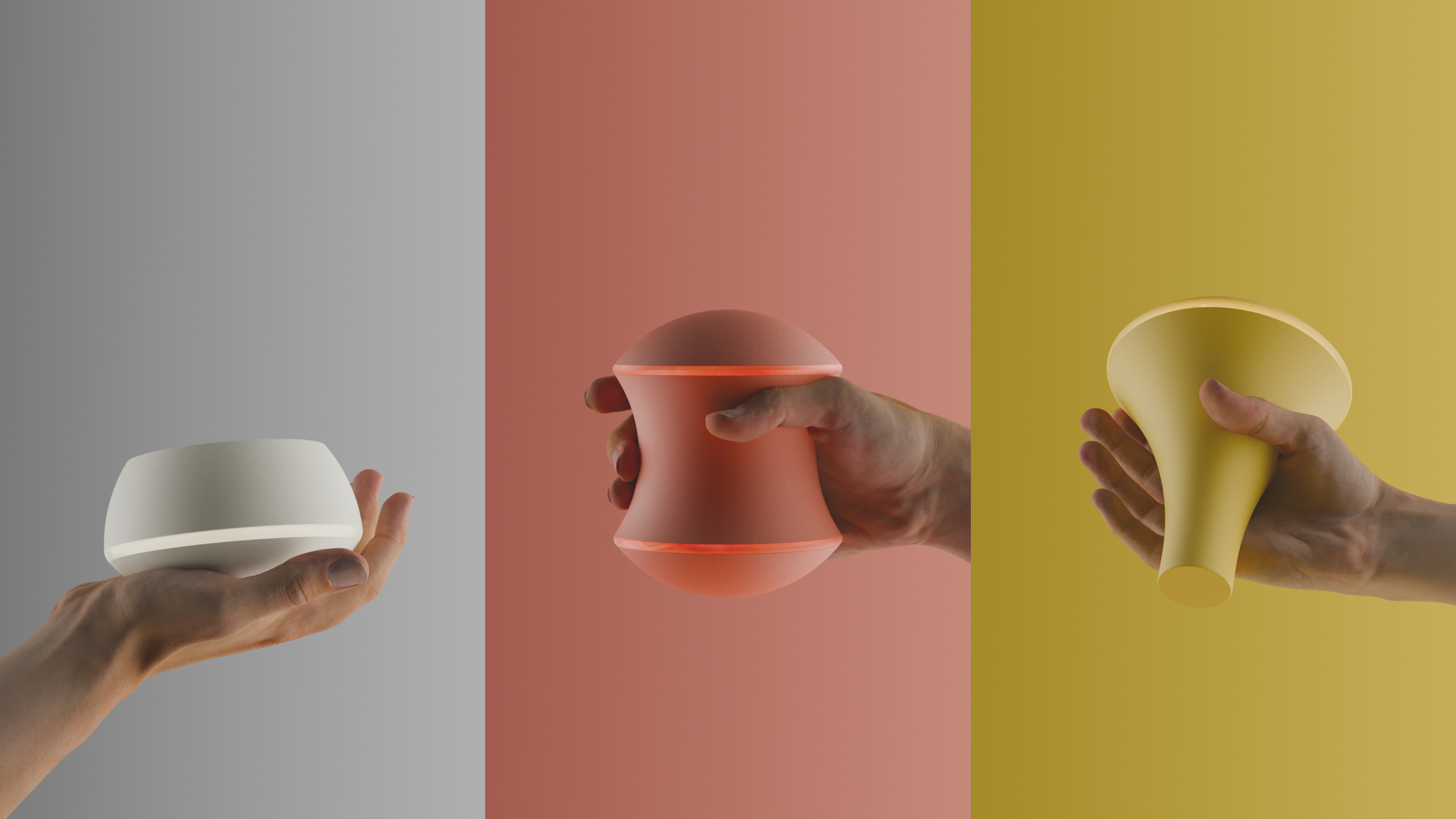
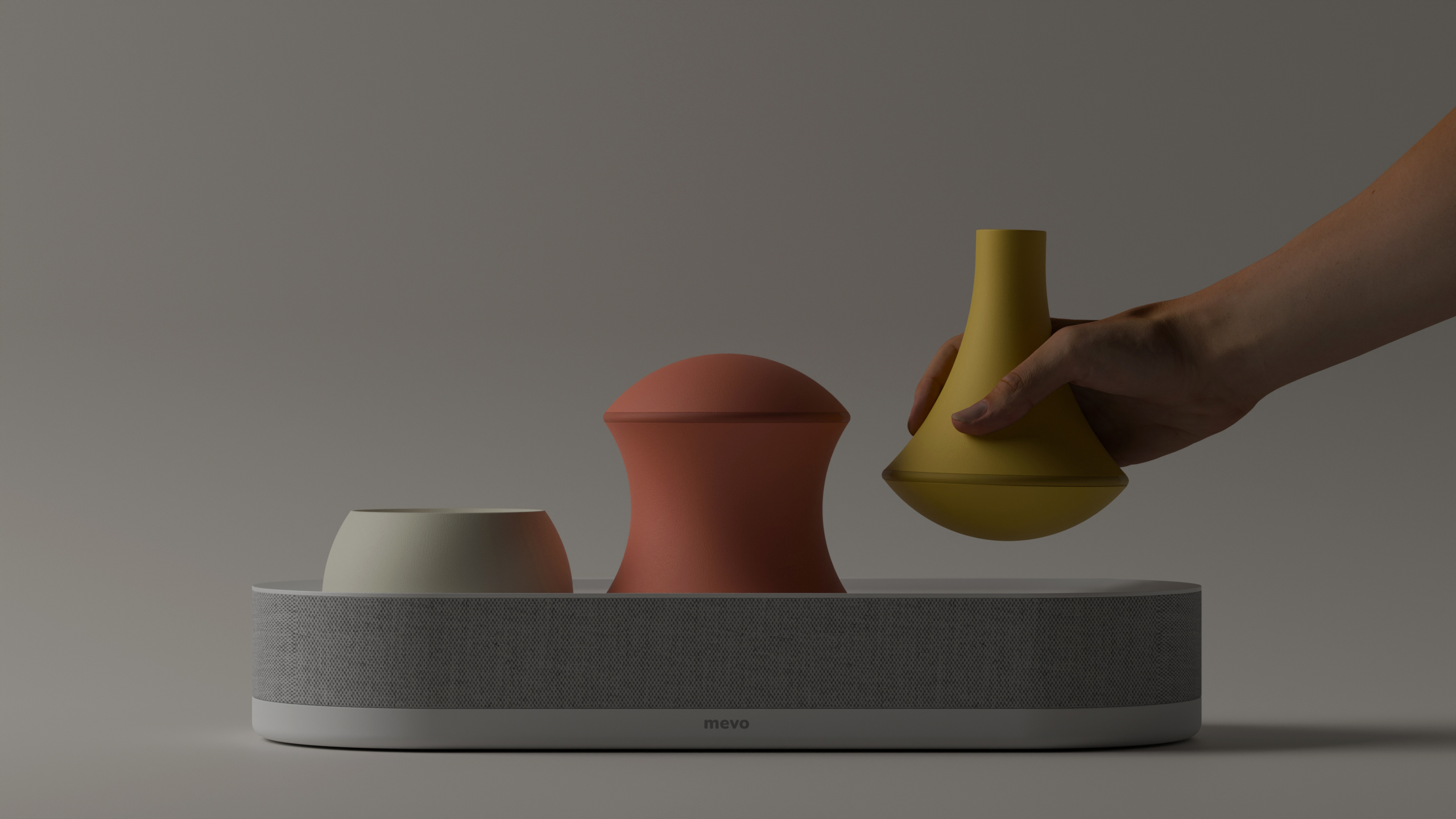
To add depth and playfulness, music must extend beyond mere listening. By transforming music into tangible, holdable objects, it becomes a new medium for interaction. The goal was to design colourful, abstract - yet familiar and ergonomic shapes that could be comfortably held.

02-05

Adding multisensory stimulation

The most effective way to create an engaging experience for dementia patients is to activate multiple senses within an activity. Incorporating visual and tactile elements, music to the handheld objects can extend beyond listening alone, offering richer and more meaningful stimulation.

02 Challenges

Exploring music beyond hearing.

01

Challenges of dementia - how can music support?

02

How can music listening become active and playful?

03

How can music listening become more immersive and memorable?

Translating rhythmic patterns in music into tactile and visual feedback.

02-06

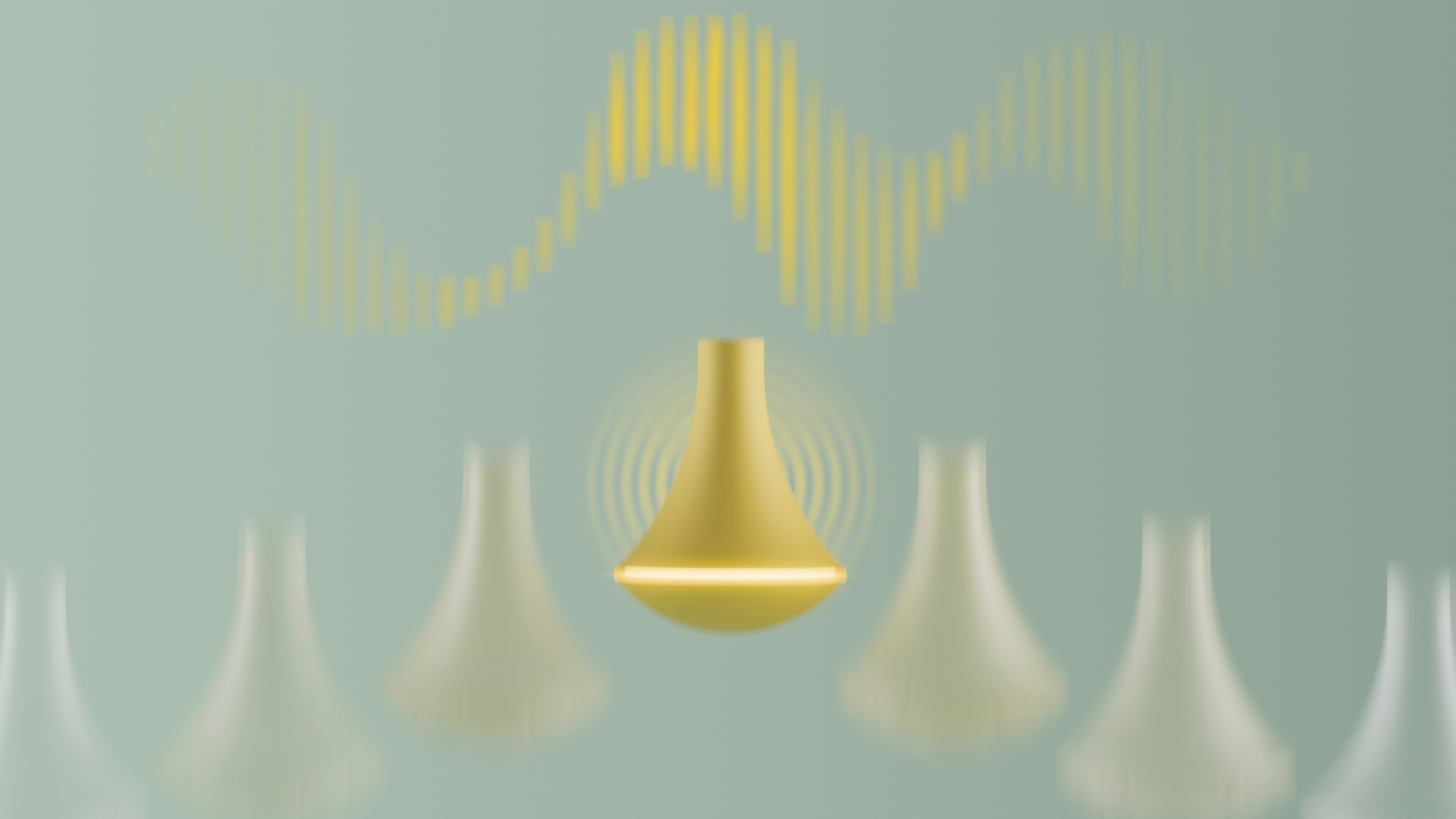
Rhythm becomes tangible

The essence of each song is captured by making it visible through subtle light and feelable through subtle vibration, turning music into a more enjoyable experience.

02-07

Music playback module and charging station

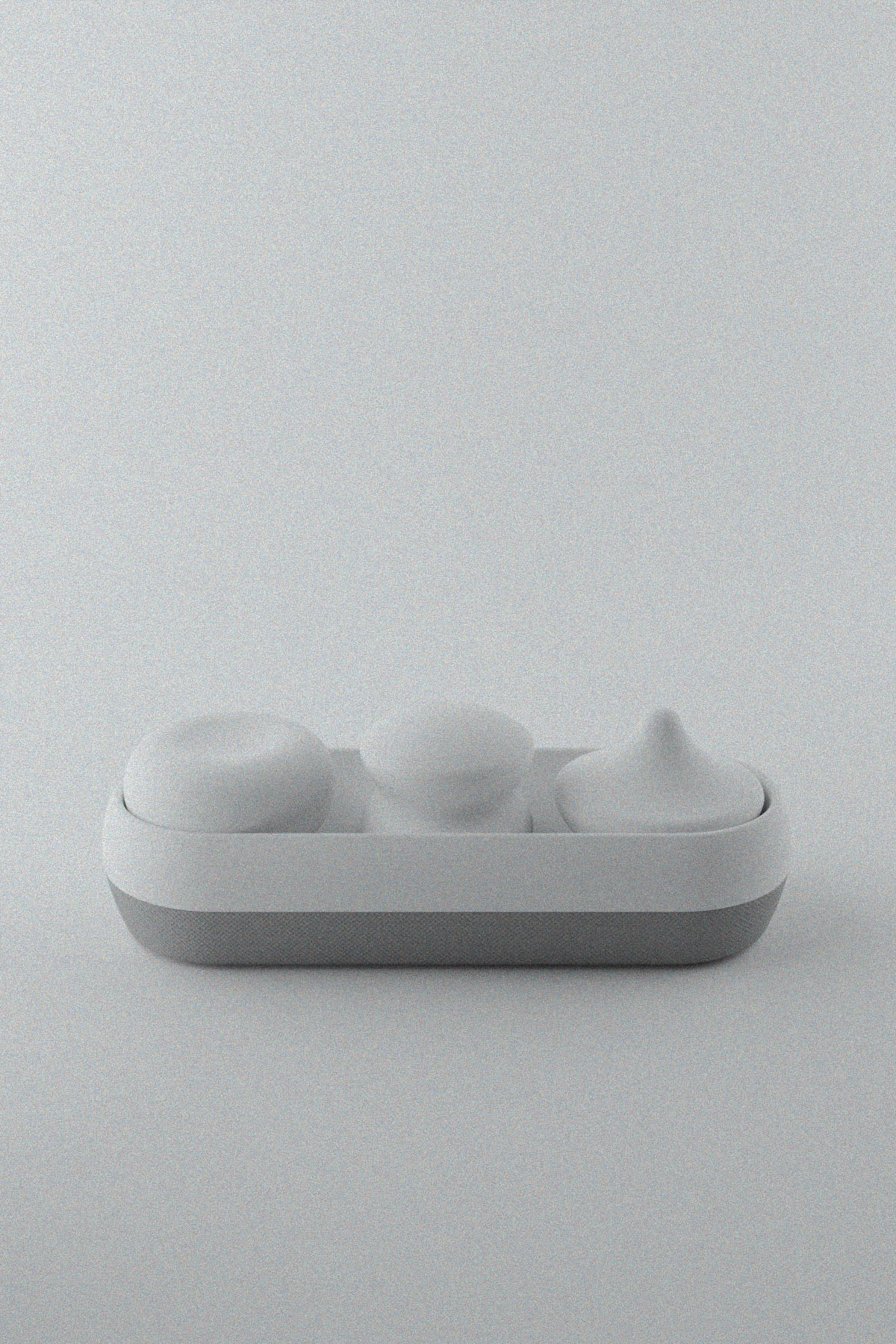
The playback module serves as the central source of audio output. It connects with the physical music objects and sends signals that are then translated into visual and tactile responses. It also functions as a base for storing and magnetically charging the objects, holding them together in one unified system.

02-08

Making song selection easy

With streaming service connectivity, caregivers and family members can effortlessly work together to create a playlist of patient's favourite songs from the past, helping to evoke long term memories even more.

02-09

Material

The housing is made from PLA with a subtly rough surface, providing gentle tactile stimulation for dementia patients.

02-10

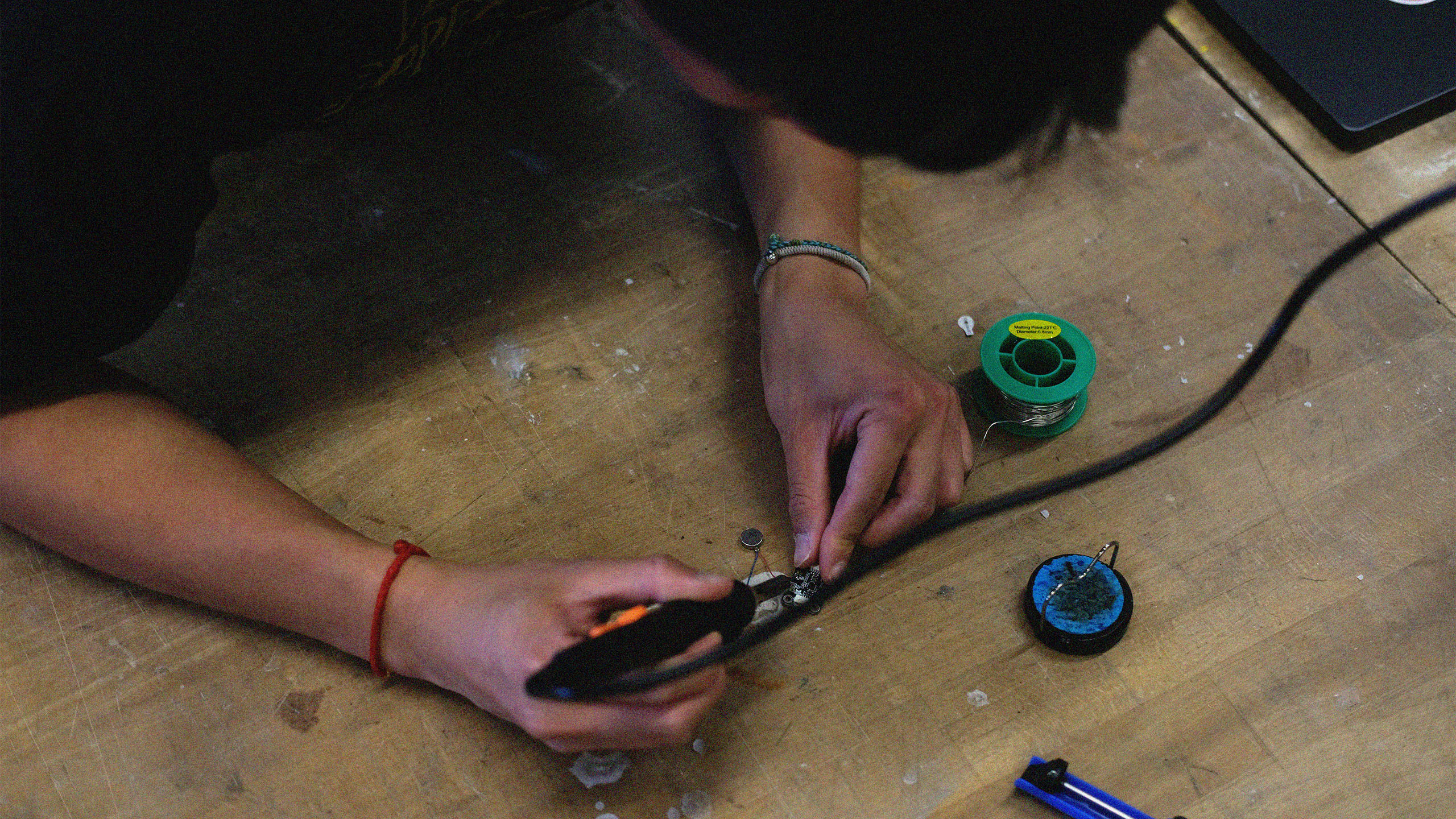
Prototyping

Further investigation of comfort, ergonomics and tactile feedback.

Thank you for viewing.

Delong Xiao
Portfolio 2025 v1.3.2
Let's chat.
delongdx@gmail.com